When your digital library starts feeling a little sluggish, frozen mid-page, or just generally out of sorts, it's easy to assume the worst. But before you panic or consider tossing your beloved e-reader, know that one of the most effective, yet often overlooked, solutions is a simple reboot. Mastering the Best Practices: When and How Often to Restart Your Kindle for Optimal performance is key to a smooth, enjoyable reading experience. Think of it like giving your Kindle a refreshing nap; a quick reset can clear out digital cobwebs, resolve stubborn glitches, and ensure your device remains the responsive, reliable companion you cherish.
In this comprehensive guide, we'll demystify the art of the Kindle restart, moving beyond the basic power button press to equip you with the knowledge of why, when, and how to reboot your device for peak efficiency.
At a Glance: Your Kindle Restart Cheat Sheet
- Routine Maintenance: Aim for a restart once a month to keep things running smoothly.
- Troubleshooting: Restart immediately if your Kindle freezes, slows down, or misbehaves.
- Performance Boost: A restart clears temporary files and closes background processes for snappier operation.
- Extended Battery Life: Closing rogue apps and processes can help conserve power.
- Multiple Methods: Learn the menu, quick button, and hard restart techniques for various situations.
- Avoid Common Pitfalls: Don't confuse a sleep state with a restart, or interrupt the process.
- Factory Reset is Last Resort: Understand the difference between a simple restart and a data-wiping factory reset.
The Unsung Hero: Why Your Kindle Needs a Reboot
Your Kindle, despite its focused purpose, is a miniature computer. Like any computing device, it constantly juggles background processes, downloads content, updates software, and stores temporary data. Over time, these activities can accumulate, leading to digital clutter, memory leaks, or minor software conflicts that manifest as frustrating performance issues.
Restarting your Kindle acts as a much-needed "digital refresh." It's a fundamental troubleshooting step that delivers a host of benefits:
- Improved Performance: This is often the most noticeable benefit. A restart flushes out temporary files and closes any errant background processes that might be hogging your Kindle's resources. The result? Faster page turns, quicker menu navigation, and a generally snappier feel.
- Resolution of Freezing Issues: Is your Kindle stuck on a page? Unresponsive to touches? A restart is usually the first and most effective remedy for a frozen screen. It forces the device to shut down and reboot its operating system, clearing the hang-up.
- Correction of Minor Software Glitches: From Wi-Fi connection problems to books failing to download correctly, many minor software bugs are transient. A restart often provides the clean slate needed for these glitches to resolve themselves. It can be surprisingly effective at fixing quirky display issues or unresponsive buttons.
- Extended Battery Life: Unseen background processes, especially those that might be stuck in a loop, can silently drain your Kindle's battery. A restart ensures all power-consuming apps and tasks are properly closed, potentially improving your device's battery endurance. Regularly optimizing your Kindle's battery life through practices like restarting is a smart move.
- Ensuring Optimal Functionality: Regularly restarting your Kindle helps maintain its overall health, preventing small issues from escalating into larger, more persistent problems. It's a proactive step in keeping your e-reader in prime condition.
In essence, a restart provides a clean slate, allowing your Kindle's operating system to load freshly, without the baggage of accumulated temporary files or misbehaving processes.
When to Give Your Kindle a Fresh Start: Timing is Everything
Knowing why to restart is important, but knowing when and how often is crucial for best practices. It's a blend of routine maintenance and responsive troubleshooting.
1. Routine Maintenance: The Monthly Refresh
Even if your Kindle seems to be working perfectly, a regular restart is a good habit. Consider it preventative care.
- Recommendation: Aim to restart your Kindle at least once a month.
- Why it helps: This consistent refresh prevents the buildup of minor software issues and temporary file clutter that can gradually degrade performance over time. It's like defragmenting an old hard drive, but for your e-reader's digital processes. Many users find a set day each month, perhaps the first Sunday, helps them remember this simple routine.
2. When Glitches Strike: Immediate Action
This is where most users first encounter the need to restart. If your Kindle isn't behaving as it should, a restart is often the quickest fix.
- Frozen Screen: Your Kindle is completely unresponsive, stuck on a page or menu.
- Sluggish Performance: Page turns are delayed, menus load slowly, or the device feels generally unresponsive.
- Download Issues: Books aren't downloading, or updates seem stuck.
- Wi-Fi Connectivity Problems: Your Kindle won't connect to Wi-Fi, even when other devices do.
- Minor Display Anomalies: Strange lines or flickering on the screen (though severe display issues might indicate hardware problems).
- App or Feature Malfunctions: If a specific feature (like accessing the store or syncing) isn't working as expected.
In these scenarios, don't wait. A restart should be your first troubleshooting step.
3. Before Major Updates or Transfers
While not strictly necessary, restarting your Kindle before certain actions can ensure a smoother process.
- Before a Software Update: Giving your Kindle a clean reboot before initiating a major software update can help prevent conflicts and ensure the update installs without issues. This is especially true if your Kindle hasn't been restarted recently. Staying current with the latest software updates is also a key aspect of device health.
- Before Transferring Many Books: If you're side-loading a large number of books via USB, a fresh restart can help ensure your Kindle processes the new files efficiently and updates its library index correctly.
By incorporating these timings into your Kindle usage, you'll ensure your device remains responsive and reliable, always ready for your next reading adventure.
How to Perform a Kindle Restart: Your Step-by-Step Guide
There are a few ways to restart your Kindle, depending on its model and whether it's responsive or completely frozen. Knowing these methods means you're prepared for any situation. If you ever need a quick visual or more detailed instructions, our comprehensive guide on how to restart your Kindle covers every model and scenario in depth.
1. The Standard Method: Via Menu/Quick Actions (For Responsive Kindles)
This is the gentlest and most recommended method when your Kindle is working well enough to navigate menus.
- Access the Menu:
- Newer Kindles (Paperwhite 5th Gen & newer, Oasis, Scribe): Swipe down from the top of the screen to reveal the Quick Actions panel.
- Older Kindles (and an alternative for newer ones): Tap the three dots (Menu icon) in the upper-right corner of the screen from your Home screen. If you're in a book, tap the top of the screen first, then the three dots. Alternatively, go to Home > Three Dots > Settings > Three Dots.
- Select "Restart": Look for and tap the "Restart" option. Its exact location might vary slightly between models and software versions, but it's generally easy to spot.
- Confirm Restart: A prompt will usually appear asking you to confirm. Tap "Yes" or "Restart" to proceed.
- Wait for the Reboot: Your Kindle screen will go blank, typically display the Amazon logo (and sometimes a progress bar), and then fully restart to your home screen. This process usually takes 1-2 minutes.
- Enter Password (if applicable): If you have a password set, you'll need to enter it to unlock your device after the reboot.
2. The Quick Restart: Using the Power Button (For Responsive Kindles)
This method is a bit faster if your Kindle is responsive but you want to avoid navigating through menus.
- Locate the Power Button: This is usually on the bottom edge of newer Kindles or the top edge of older models.
- Press and Hold Briefly: Press and hold the power button for approximately 7-10 seconds. Don't release it immediately.
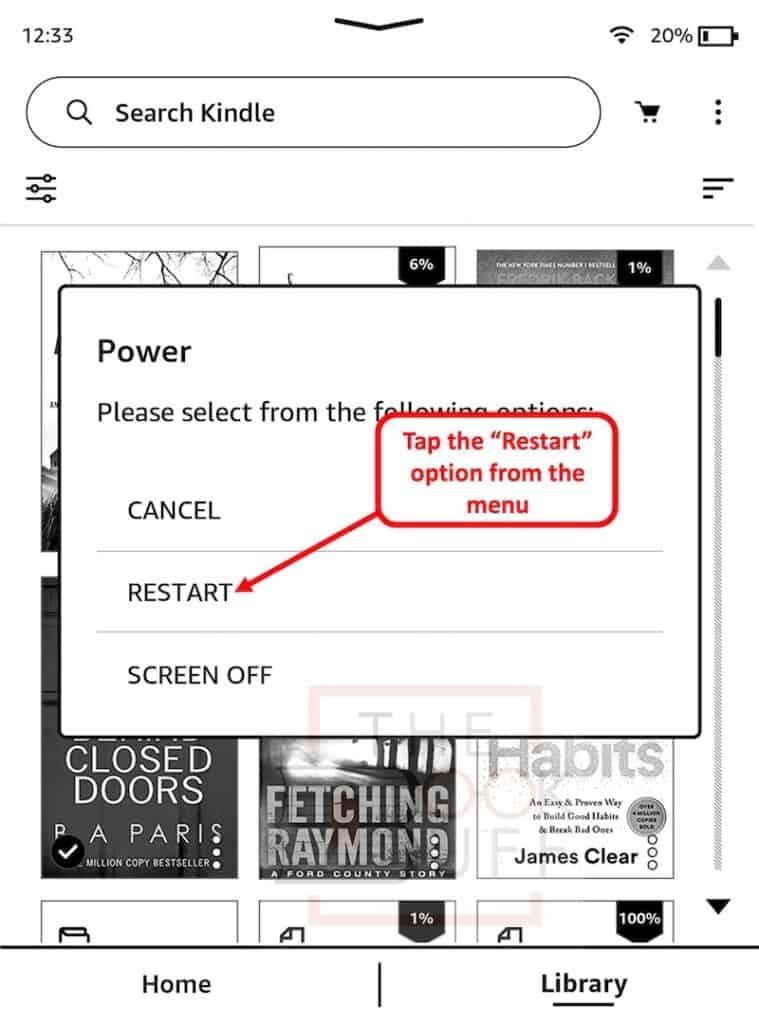
- Tap "Restart": After a few seconds, a dialog box will typically appear on the screen with options like "Screen Off" or "Restart." Tap "Restart."
- Wait for Reboot: Similar to the menu method, your Kindle will go through its restart sequence.
3. The Hard Restart: When Your Kindle is Frozen or Unresponsive
This is your go-to method when your Kindle is completely frozen, won't respond to touches, or the standard restart methods are inaccessible. It's a forced reboot, similar to holding down the power button on a computer until it shuts off.
- Press and Hold Power Button: Find your power button. Press and hold it down continuously for a much longer period – approximately 40 seconds.
- Release and Wait: Do not release the button until the screen goes completely blank or the Amazon logo reappears. Once you see the logo, you can release the button.
- Device Will Reboot: Your Kindle will then proceed to restart. This particular hard reboot can sometimes take a minute or two longer than a soft restart, so be patient.
- Enter Password: Once restarted, unlock your device with your password if prompted.
Avoiding Restart Roadblocks: Common Mistakes to Sidestep
While restarting a Kindle is straightforward, a few common missteps can prevent the process from being effective or even lead to frustration. Being aware of these will save you time and potential headaches.
1. The Brief Button Press: Sleep vs. Restart
This is perhaps the most common mistake. A quick, short press of the power button on a Kindle only puts the device to sleep or wakes it up. It doesn't actually restart the operating system.
- The Fix: To initiate a restart (either the quick method or a hard reset), you must press and hold the power button for an extended period – usually 7-10 seconds for the quick restart dialog, or 40 seconds for a hard restart. If you only press it briefly, you're merely turning the screen on or off, not refreshing the system.
2. Interrupting the Restart Process
Once you've initiated a restart, your Kindle needs to complete its full boot cycle without interruption. It's actively shutting down processes, clearing memory, and then reloading the operating system.
- The Risk: Attempting to press buttons, connect cables, or otherwise interact with the Kindle while it's in the middle of restarting can potentially corrupt files or, in rare cases, even damage the device's software.
- The Rule: Once the screen goes blank and the Amazon logo appears, set your Kindle down and wait patiently. The process typically takes 1-2 minutes. Don't touch it until it's fully back to the home screen.
3. Misunderstanding Restart vs. Factory Reset
These two terms are often confused, but their implications are vastly different. A restart is a temporary solution; a factory reset is a drastic measure.
- Restart: As we've discussed, a restart simply reboots the operating system, clearing temporary data and closing processes. All your books, settings, and personal data remain intact.
- Factory Reset: This is a much more severe action. A factory reset wipes all your downloaded content, personal settings, and user data. It restores your Kindle to its original factory-default state, just as if you had just unboxed it. You would then need to log back into your Amazon account and re-download all your books.
- The Takeaway: Use a restart for glitches and performance issues. Only consider a factory reset as a last resort, when all other troubleshooting steps (including software updates and freeing up storage) have failed.
4. Ignoring Battery Levels
Your Kindle needs sufficient power to complete a restart cycle smoothly. If the battery is critically low, the device might struggle to perform the reboot or even get stuck during the process.
- The Advice: Before attempting any restart, especially a hard restart for a frozen device, ensure your Kindle has at least a 20-30% charge. If it's very low, plug it into power for 15-30 minutes first. This gives it enough juice to power through the restart sequence without interruption.
By being mindful of these common mistakes, you'll ensure your Kindle restarts are always effective and trouble-free, serving their purpose as a quick and reliable troubleshooting tool.
Beyond the Device: Restarting Your Kindle App
Kindle isn't just a dedicated e-reader; many of us also use the Kindle app on our smartphones and tablets. Just like the device itself, the app can occasionally benefit from a quick restart.
For Smartphones and Tablets (iOS & Android)
If your Kindle app is acting up—crashing, freezing, not syncing, or failing to load books—the first step is to restart the app.
- Close the App: Don't just minimize it. Force close the app completely.
- iOS: Swipe up from the bottom of the screen (or double-press the Home button on older devices), then swipe the Kindle app card upwards to dismiss it.
- Android: Access your recent apps switcher (usually a square or three vertical lines button), then swipe the Kindle app away or tap the "X" to close it.
- Reopen the App: Simply tap the Kindle app icon again to launch it fresh.
On Android Devices: Clearing the App's Cache
If a simple close and reopen doesn't resolve the issue on an Android device, clearing the app's cache can often help. This removes temporary data that might be causing conflicts without deleting your books or login information.
- Go to Settings: Open your Android device's Settings app.
- Find Apps: Navigate to "Apps" or "Apps & Notifications."
- Locate Kindle: Find and tap on the Kindle app in the list.
- Storage & Cache: Tap on "Storage & Cache."
- Clear Cache: Tap "Clear Cache." Do not tap "Clear Storage" or "Clear Data" unless you intend to log out and re-download everything.
- Reopen Kindle App: Launch the Kindle app again to see if the issue is resolved.
When All Else Fails: Uninstall and Reinstall
If both closing/reopening and clearing the cache (on Android) fail to fix persistent problems with the Kindle app, a full uninstall and reinstall might be necessary. This will delete all downloaded books within the app and require you to log back in and re-download your content from the cloud.
- Uninstall:
- iOS: Long-press the Kindle app icon on your home screen until it jiggles, then tap the "X" or "Remove App."
- Android: Long-press the Kindle app icon, then drag it to the "Uninstall" option, or go to Settings > Apps > Kindle > Uninstall.
- Reinstall: Go to your device's app store (App Store for iOS, Google Play Store for Android), search for "Kindle," and reinstall the app.
- Log In: Open the app, log in with your Amazon credentials, and begin re-downloading your books.
When a Restart Isn't Enough: Deeper Troubleshooting
While a restart is a powerful first line of defense, sometimes your Kindle's issues run deeper. If a reboot doesn't resolve the problem, it's time to explore a few more troubleshooting steps before considering a factory reset. This is part of a broader comprehensive Kindle troubleshooting guide that can help diagnose and fix a range of issues.
1. Check for Software Updates
Outdated software is a common culprit for bugs, performance issues, and incompatibility. Amazon regularly releases updates to improve functionality, fix known problems, and introduce new features.
- How to Check:
- Go to the Home screen on your Kindle.
- Swipe down from the top (newer Kindles) or tap the three dots (older Kindles) to open the menu.
- Tap "Settings."
- Tap "Device Options" or "All Settings."
- Tap "System Updates" or "Update Your Kindle."
- If an update is available, your Kindle will prompt you to download and install it.
- Important Note: Ensure your Kindle is connected to Wi-Fi and has sufficient battery life (preferably plugged in) before starting a software update. The process can take some time.
2. Free Up Storage Space
An almost full Kindle can suffer from significant performance slowdowns, difficulty downloading new content, and even freezing issues. The operating system needs available space to function efficiently and store temporary files.
- How to Free Up Space:
- From the Home screen, tap "Library."
- Identify books, audiobooks, or samples you no longer need.
- Long-press on the cover of a title.
- Select "Remove from Device" (this removes it from your Kindle but keeps it in your Amazon cloud library, so you can re-download it anytime).
- You can also manage storage via "Settings" > "Device Options" > "Storage." From here, you can see how much space is used and by what type of content.
- Recommendation: Aim to keep at least 1-2 GB of free space on your Kindle, especially if you download many large audiobooks. Being proactive about freeing up storage space can significantly boost performance.
By performing software updates and managing your storage, you address two of the most frequent underlying causes of Kindle performance problems that a simple restart might not fully resolve.
The Nuclear Option: Understanding and Performing a Factory Reset
If you've tried everything – regular restarts, software updates, freeing up storage, and your Kindle is still misbehaving – then a factory reset might be the last viable solution. It's a significant step, so it's crucial to understand its implications fully.
What a Factory Reset Does
A factory reset is exactly what it sounds like: it returns your Kindle to the state it was in when it left the factory. This means:
- All Downloaded Content is Erased: Every book, audiobook, sample, and personal document you've downloaded to the device will be deleted.
- All Settings are Reset: Your Wi-Fi networks, screen settings, reading preferences, dictionaries, and any other customizations will be reverted to default.
- Device is Deregistered: Your Kindle will be disconnected from your Amazon account.
- Software is Cleaned: While it doesn't revert to an older software version (it keeps the current firmware), it essentially re-initializes all system files, clearing any deep-seated corruption or persistent software glitches.
When to Consider a Factory Reset (Last Resort)
Because of its drastic nature, a factory reset should truly be your final troubleshooting step. Consider it when:
- Persistent Freezing or Crashing: Your Kindle continuously freezes or crashes, even after multiple restarts and software updates.
- Unresolvable Software Bugs: A specific bug or feature malfunction cannot be fixed by any other method.
- Selling or Gifting Your Device: If you plan to sell or give away your Kindle, a factory reset is essential to erase all your personal data and deregister it from your account.
- Customer Support Recommendation: Amazon customer service might recommend a factory reset if they've exhausted other remote troubleshooting options.
Prerequisites and Preparation
Before you even think about resetting, ensure you're prepared:
- Update Firmware: Paradoxically, ensure your Kindle is running the latest firmware version before a factory reset. Sometimes, an update itself can fix the issue, making the reset unnecessary. If not, a reset with updated software ensures you're starting from the best possible base.
- Backup Your Content: While all your purchased Amazon content is safely stored in your cloud library and can be re-downloaded, any sideloaded books or personal documents not backed up to the cloud will be permanently lost. If you have such files, connect your Kindle to a computer and copy them off.
- Charge Battery: Ensure your Kindle is fully charged or plugged in. The reset process takes time and power.
- Have Your Amazon Credentials Ready: You'll need to log back into your Amazon account after the reset.
Steps to Perform a Factory Reset
Once you're ready and understand the implications:
- Go to Settings: From the Home screen, swipe down or tap the three dots, then tap "Settings."
- Navigate to Device Options: Tap "Device Options" or "All Settings."
- Select Reset: Scroll down and tap on "Reset" or "Reset Your Kindle."
- Confirm: You will receive a warning about data loss. Read it carefully and, if you're sure, tap "Yes" or "Reset."
- Wait for Reboot: Your Kindle will go blank, process the reset, and then reboot. This can take several minutes.
- Setup as New: When it restarts, you'll be guided through the initial setup process, just like when you first got your Kindle. You'll need to select your language, connect to Wi-Fi, and log in to your Amazon account to access your cloud library and re-download books. For more detailed steps, refer to our detailed guide on performing a Kindle factory reset.
A factory reset can resolve deep-seated software issues that no other troubleshooting step can touch. While inconvenient, it's often the magic bullet for a truly problematic Kindle.
Keeping Your Digital Library Running Smoothly: Final Thoughts
Your Kindle is more than just a gadget; it's a gateway to countless stories and endless learning. By understanding the simple power of a restart – knowing when to apply a quick refresh, how to execute a hard reboot, and when to delve deeper into troubleshooting – you're empowering yourself to keep that gateway wide open.
From monthly maintenance reboots to immediate action against frustrating freezes, incorporating these best practices into your Kindle routine will ensure your device remains responsive, reliable, and ready for your next adventure. Don't let minor tech hiccups interrupt your reading flow. A well-timed restart is often all it takes to bring your digital library back to optimal performance. Happy reading!